Science Storytelling & Clear Communication
Tuesday, November 10, 2026 · 5–7 pm Eastern
- Craft compelling narratives that make your research relevant and memorable.
- Simplify complex science and communicate with clarity and confidence.
Training for scientists and research teams
Build practical skills to communicate your research with clarity, creativity, and greater impact.
The human brain is wired to process information in predictable ways. Use that to your advantage.
Virtual training hosted by SNAP
A two-part interactive training with tools you can use right away.
Two Tuesdays · Live and interactive · Online
The four pillars
Each skill helps your audience understand, remember, and act on the science.
Build a narrative that gives your research meaning and makes it memorable.
Turn complexity into plain language without losing scientific accuracy.
Use visual choices that clarify your message and hold attention.
Listen, respond, and connect with the people you want to reach.
Meet your facilitator
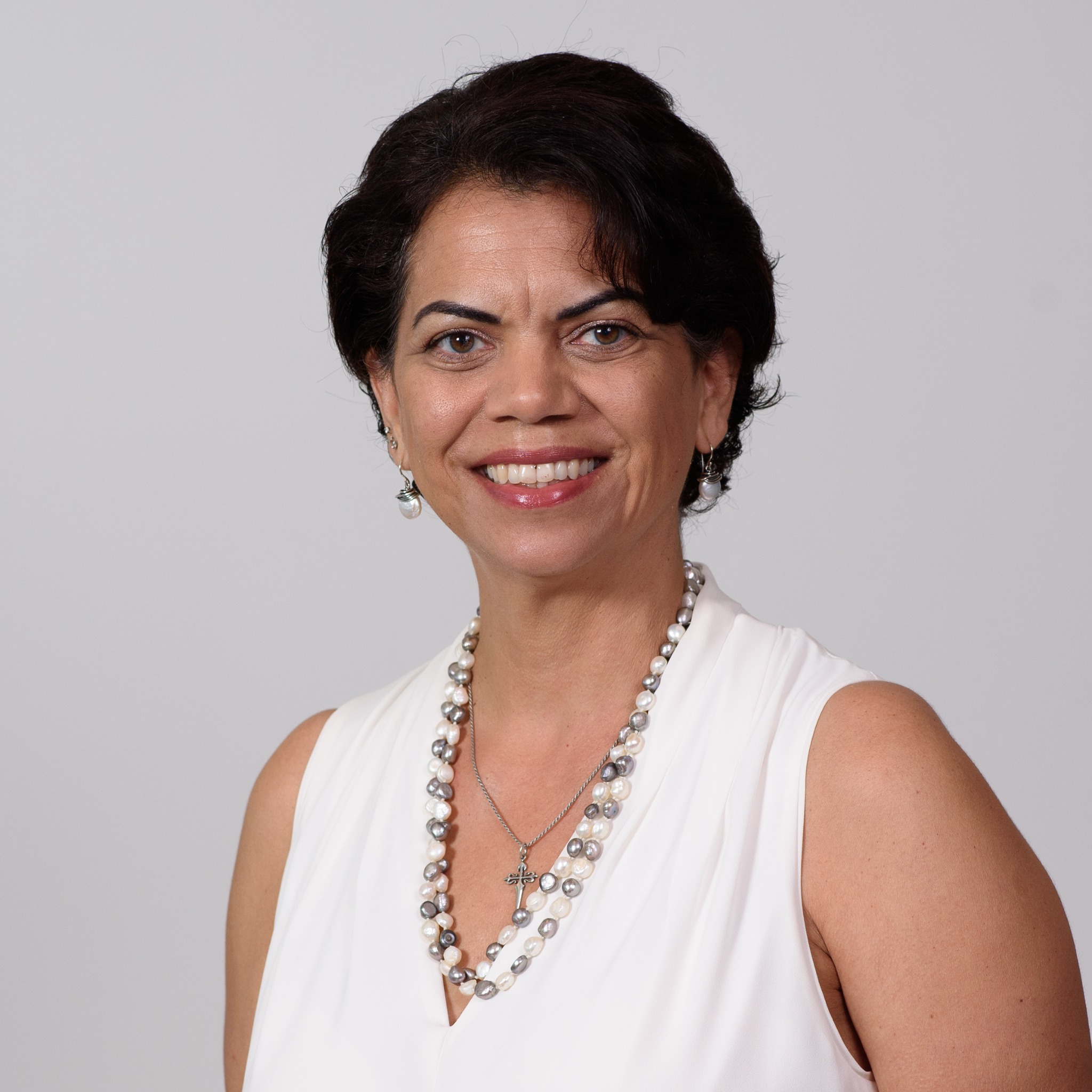
Camille is a science communication specialist who helps researchers make complex work clear and compelling. She brings more than 20 years of experience translating biomedical, public health, and policy research for diverse audiences.
Through Brain Hack Communications, she teaches practical ways to meet audiences where they are and communicate science with greater impact.
Join the two-part virtual workshop on November 10 and 17, 2026, from 5–7 pm Eastern.
Explore the workshop


